Food Power
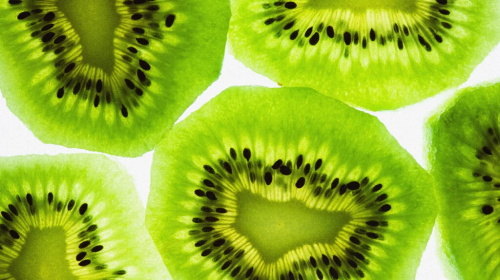
Epigenetics and Diet: Can Food Change Your Genes?
When we talk about “genes,” we often think of immutable DNA sequences that determine traits such as height, skin color, blood type, enzyme activity, drug metabolism, and even aspects of personality.
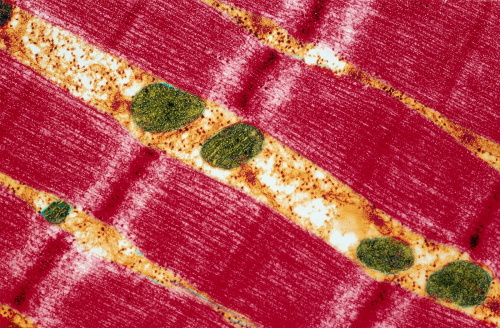
Foods That Boost Mitochondrial Function & Energy
Mitochondrial

Nootropic Foods for Focus and Cognitive Performance
Nootropic Foods

Glucosinolates in Cruciferous Veggies: Cancer Protection?
Cruciferous Veggies
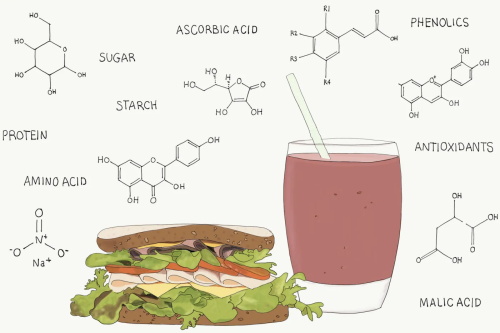
The Dose Makes the Poison… and the Cure: Navigating the Fine Line with Food Compounds
Food Compounds
Sustainable Food
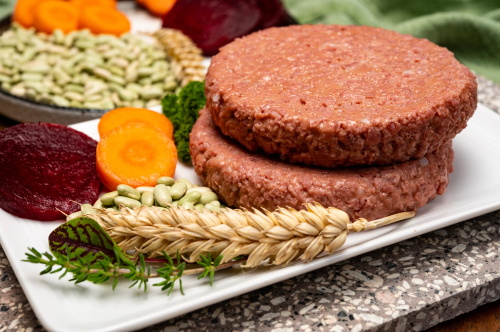
Pea, Soy & Mycoprotein
The Science Behind Pea, Soy & Mycoprotein Nutrient Profiles

Plant-Forward Eating
The Iron and B12 Puzzle in Plant-Forward Eating

Eating for Biodiversity
Eating for Biodiversity: How Your Food Choices Can Help Preserve Wild Species and Ecosystems

Carbon Footprint
Carbon Footprint of Everyday Foods Explained

Smart Packaging
Smart Packaging That Tracks Food Freshness

Genetically Modified Crops
Genetically Modified Crops: Safety, Nutrition, and Misconceptions
Tech Reduce Food Waste
Can Tech Reduce Food Waste From Farm to Fork?
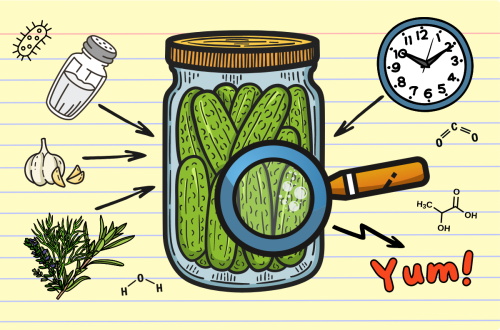
Fermentation
Fermentation 2.0: Merging Thousand-Year-Old Wisdom with AI for Smarter, Greener Food Production
Food & Disease

More About Food

Can Fermented Foods Replace Probiotics? Science Explains
Terms like “microbiome,” “probiotics,” and “fermented foods” have left the confines of academic journals and entered the mainstream.
FODMAP Diet Myths: What Research Actually Says
Digestive health trends come and go, but few have sparked as much scientific interest and public debate as the low-FODMAP diet.

Intermittent Fasting and Your Gut: Helpful or Harmful?
What does intermittent fasting actually do to gut health?

Food and Hormones: Regulation for Women’s Health
Hormones are chemical messengers in the body that regulate nearly every physiological process, from metabolism and mood to reproductive health and immune function.

Nutrients That Affect Fetal Brain Development
In the earliest stages of life, fetal brain development is an extraordinarily time-sensitive and complex process.

Nutrition for Shift Workers: Resetting Your Internal Clock When Your Schedule is Against You
For people who work night shifts, rotating shifts, or irregular schedules, this system is repeatedly disrupted, often with profound consequences for health.
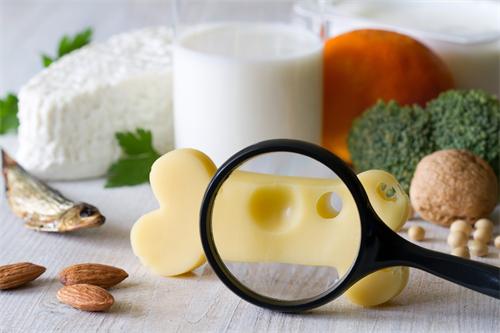
Bone Health Nutrition: More Than Just Calcium
Maintaining strong, healthy bones is a complex process that requires more than just calcium—it involves a coordinated interplay of multiple nutrients, physical activity, and lifestyle habits.