Foods That Boost Mitochondrial Function & Energy

Even with adequate sleep, many people feel persistently low in energy, mentally foggy, or physically drained. While lifestyle factors such as stress, sleep quality, and physical activity matter, cellular energy production lies at the heart of how energetic—or exhausted—we feel.
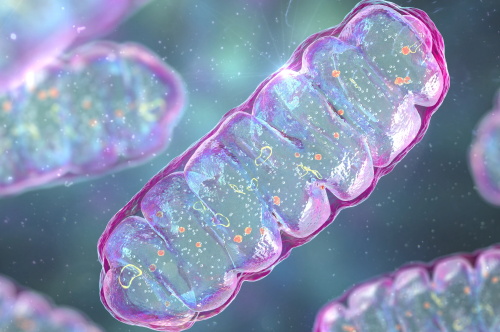
At the center of this process are mitochondria, often called the power plants of the cell. These tiny organelles convert nutrients from food into adenosine triphosphate (ATP), the chemical currency of energy that fuels nearly every biological process: muscle contraction, nerve signaling, hormone synthesis, and even DNA repair.
Emerging research in nutrition and cellular biology shows that what we eat can directly influence mitochondrial function, efficiency, and resilience.
Understanding Mitochondria: Why Energy Starts at the Cellular Level
Mitochondria are unique organelles with their own DNA, inherited almost exclusively from the mother. Their primary role is oxidative phosphorylation, a multi-step biochemical process that converts carbohydrates, fats, and proteins into ATP using oxygen.
Beyond energy production, mitochondria are involved in:
- Regulation of oxidative stress
- Calcium signaling
- Apoptosis (programmed cell death)
- Thermogenesis (heat production)
- Immune system regulation
Because of these diverse roles, mitochondrial dysfunction has been linked to fatigue syndromes, metabolic disorders, neurodegenerative diseases, cardiovascular disease, insulin resistance, and accelerated aging.
Why Mitochondrial Function Declines
Mitochondria are highly sensitive to environmental and nutritional stressors. Common factors that impair mitochondrial health include:
- Poor diet (high in ultra-processed foods, refined sugars, trans fats)
- Chronic inflammation
- Micronutrient deficiencies
- Excess oxidative stress
- Sedentary lifestyle
- Aging
- Circadian rhythm disruption (e.g., shift work)
Fortunately, mitochondria are also remarkably adaptable. Through a process known as mitochondrial biogenesis, cells can increase the number and efficiency of mitochondria in response to positive stimuli—particularly nutrient availability and dietary quality.
How Food Supports Mitochondrial Energy Production
For mitochondria to generate ATP efficiently, they require:
1. Macronutrient substrates (glucose, fatty acids, amino acids)
2. Micronutrient cofactors (vitamins and minerals)
3. Antioxidant protection
4. Structural lipids for mitochondrial membranes
5. Signals that promote mitochondrial biogenesis
Foods that support mitochondrial health typically provide multiple benefits simultaneously, making dietary patterns more important than single “superfoods.”
Key Nutrients for Mitochondrial Function
Before exploring food sources, it helps to understand the critical nutrients involved.
1. B Vitamins: The Energy Enablers
B vitamins act as essential cofactors in the mitochondrial energy pathways.
- Vitamin B1 (Thiamine): Converts carbohydrates into usable energy
- Vitamin B2 (Riboflavin): Supports electron transport chain enzymes
- Vitamin B3 (Niacin): Precursor to NAD⁺, crucial for ATP production
- Vitamin B5 (Pantothenic acid): Required for Coenzyme A synthesis
- Vitamin B6, B9, B12: Support amino acid metabolism and red blood cell formation
Deficiencies—even mild ones—can significantly impair energy metabolism.
2. Magnesium: The ATP Stabilizer
ATP, the body’s main energy molecule, depends on magnesium to work properly. Magnesium helps ATP maintain a usable form so it can power muscles, nerves, and cellular processes. If magnesium levels are too low, the body may struggle to produce energy efficiently or use the ATP it already has.
Magnesium also stabilizes mitochondrial membranes and reduces oxidative stress.
3. Iron: Oxygen Delivery and Electron Transport
Iron is essential for:
- Hemoglobin (oxygen delivery)
- Cytochromes in the electron transport chain
Both deficiency and overload can impair mitochondrial function, highlighting the importance of balance.
4. Coenzyme Q10 (CoQ10): The Electron Shuttle
CoQ10 plays a direct role in the electron transport chain and acts as a potent antioxidant within mitochondrial membranes. Levels decline with age and certain medications (e.g., statins).
5. Antioxidants and Polyphenols
Mitochondria produce reactive oxygen species (ROS) as a by-product of energy production. While small amounts are normal, excess ROS damages mitochondrial DNA and membranes.
Dietary antioxidants help maintain mitochondrial redox balance.
Foods That Boost Mitochondrial Function
1. Fatty Fish (Salmon, Sardines, Mackerel)
Fatty fish are rich in:
- Omega-3 fatty acids (EPA & DHA)
- B vitamins
- Selenium
- High-quality protein
Omega-3s enhance mitochondrial membrane fluidity, improving the efficiency of energy transfer and reducing inflammation that disrupts mitochondrial signaling.
Research suggests omega-3 intake may increase mitochondrial biogenesis and fat oxidation, particularly in muscle cells.
2. Organ Meats (Liver, Heart)
Though less common in modern diets, organ meats are among the most mitochondria-dense foods nutritionally.
They provide:
- High concentrations of B vitamins
- Iron (heme form)
- CoQ10
- Zinc
- Choline
From an evolutionary perspective, organ meats supported high energy demands long before modern supplements existed.
3. Eggs
Eggs offer a powerful combination of:
- Choline (critical for mitochondrial membrane integrity)
- B vitamins
- Sulfur-containing amino acids
- Fat-soluble antioxidants (lutein, zeaxanthin)
The yolk, often unfairly avoided, contains most of the mitochondria-supportive nutrients.
4. Leafy Green Vegetables (Spinach, Kale, Swiss Chard)
Leafy greens supply:
- Magnesium
- Folate
- Vitamin C
- Nitrates (which improve mitochondrial efficiency and oxygen utilization)
Nitrates from vegetables—not processed meats—have been shown to enhance mitochondrial coupling efficiency, meaning more ATP is produced per unit of oxygen.
5. Cruciferous Vegetables (Broccoli, Brussels Sprouts, Cabbage)
These vegetables are rich in:
- Sulforaphane
- Glucosinolates
- Vitamin C
Sulforaphane activates Nrf2, a transcription factor that enhances mitochondrial antioxidant defenses and promotes detoxification pathways.
6. Berries (Blueberries, Strawberries, Blackberries)
Berries are packed with polyphenols, especially anthocyanins, which:
- Protect mitochondrial DNA
- Improve insulin sensitivity
- Reduce inflammation
- Support neuronal energy metabolism
Regular berry consumption has been associated with improved cognitive and physical energy in both aging and athletic populations.
7. Nuts and Seeds
Key examples include:
- Almonds: Magnesium and vitamin E
- Walnuts: Omega-3 fatty acids
- Pumpkin seeds: Zinc and iron
- Sunflower seeds: Vitamin E and selenium
These nutrients support mitochondrial enzyme function and protect lipid membranes from oxidative damage.
8. Extra Virgin Olive Oil
Olive oil is rich in monounsaturated fats and polyphenols such as hydroxytyrosol, which protect mitochondrial membranes and reduce oxidative stress.
Mediterranean dietary patterns—where olive oil is a primary fat—are consistently associated with better metabolic and mitochondrial health.
9. Whole Grains and Pseudocereals (Oats, Quinoa, Buckwheat)
Unlike refined grains, whole grains provide:
- B vitamins
- Magnesium
- Polyphenols
- Steady glucose release
This supports sustained mitochondrial ATP production without sharp insulin spikes that strain metabolic pathways.
10. Fermented Foods (Yogurt, Kefir, Kimchi, Sauerkraut)
Gut microbes influence mitochondrial function through:
- Short-chain fatty acid (SCFA) production
- Inflammation regulation
- B vitamin synthesis
A healthy gut–mitochondria axis supports both physical and mental energy.

Beyond Individual Foods: Dietary Patterns That Support Mitochondria
Rather than focusing on isolated nutrients, research increasingly supports dietary patterns that promote mitochondrial health:
- Mediterranean diet
- Whole-food, minimally processed diets
- Plant-forward diets with adequate protein
- Diets rich in polyphenols and fiber
These patterns provide consistent micronutrient density and reduce chronic inflammation that damages mitochondria over time.
Lifestyle Factors That Enhance the Benefits of Mitochondrial Foods
Food works best when combined with behaviors that stimulate mitochondrial adaptation:
- Regular physical activity, especially endurance and resistance training
- Adequate sleep aligned with circadian rhythms
- Time-restricted eating (in some individuals)
- Avoidance of excessive ultra-processed foods
Mitochondria respond dynamically to these signals, increasing in number and efficiency when properly supported.
In a world focused on quick fixes, mitochondrial nutrition reminds us that lasting energy begins deep within our cells—and on our plates.
This article is for educational and informational purposes only and does not constitute medical or nutritional advice. Individual health needs and responses may vary. Please consult a qualified healthcare professional before making any significant changes to your diet, supplements, or medical care.
References
1. Wallace, D. C. (2012). Mitochondria and cancer. Nature Reviews Cancer, 12(10), 685–698.
2. Nicholls, D. G., & Ferguson, S. J. (2013). Bioenergetics 4. Academic Press.
3. López-Lluch, G., et al. (2008). Mitochondrial biogenesis and healthy aging. Experimental Gerontology, 43(9), 813–819.
4. Picard, M., et al. (2018). Mitochondrial health and aging. Nature Aging, 1, 1–12.
5. Martínez-Reyes, I., & Chandel, N. S. (2020). Mitochondrial TCA cycle metabolites control physiology and disease. Nature Communications, 11, 102.
6. Ames, B. N. (2010). Optimal micronutrients delay mitochondrial decay. Proceedings of the National Academy of Sciences, 107(19), 10114–10119.
Recommended for you