Food and Hormones: Regulation for Women’s Health

Hormones are chemical messengers in the body that regulate nearly every physiological process, from metabolism and mood to reproductive health and immune function. For women, hormonal balance is particularly crucial because of the cyclical nature of reproductive hormones, the transition through menopause, and the heightened risk of hormone-related conditions such as polycystic ovary syndrome (PCOS), thyroid disorders, and osteoporosis.
Understanding Hormones and Their Roles in Women’s Health
Hormones are secreted by endocrine glands such as the ovaries, adrenal glands, thyroid, and pituitary gland. The most studied hormones in women include estrogen, progesterone, testosterone, insulin, thyroid hormones, cortisol, and leptin. Each has a unique role: estrogen and progesterone regulate the menstrual cycle and fertility; insulin controls blood glucose levels; thyroid hormones influence metabolic rate; cortisol governs stress response; and leptin signals satiety and energy balance. Imbalances in any of these hormones can manifest as irregular menstrual cycles, weight fluctuations, mood disorders, fatigue, and long-term metabolic diseases.
Nutrition interacts with these hormones in multiple ways. Macronutrient composition, micronutrient sufficiency, phytoestrogen intake, fiber content, and the timing of meals can all influence hormone production, metabolism, and receptor sensitivity. Moreover, inflammation, oxidative stress, and gut microbiota—factors heavily influenced by diet—play indirect but critical roles in hormonal health.
The Role of Macronutrients in Hormonal Regulation
1. Proteins
Adequate protein intake is essential for hormone synthesis. Amino acids serve as building blocks for peptide hormones, including insulin, glucagon, and growth hormone. For women, consuming high-quality protein sources such as eggs, lean meats, legumes, dairy, and plant-based alternatives helps maintain stable blood sugar levels, which in turn supports balanced insulin and cortisol levels. Dysregulated insulin can exacerbate PCOS symptoms, leading to irregular ovulation and increased androgen levels.
2. Fats
Dietary fats are crucial for the synthesis of steroid hormones, including estrogen, progesterone, and testosterone. Cholesterol, found in both dietary sources and produced endogenously, is the precursor molecule for all steroid hormones. Omega-3 fatty acids, abundant in fatty fish, flaxseeds, and walnuts, have anti-inflammatory effects and support ovarian function, while excessive consumption of trans fats and highly processed oils can impair hormone metabolism, contributing to insulin resistance and chronic inflammation. Monounsaturated fats from olive oil, avocados, and nuts also positively affect estrogen metabolism and may reduce the risk of hormone-related cancers.
3. Carbohydrates
Carbohydrate quality and timing influence insulin sensitivity and overall hormonal balance. Diets high in refined carbohydrates and added sugars can lead to hyperinsulinemia, which affects ovarian function and may promote weight gain and hormonal dysregulation. On the other hand, complex carbohydrates from whole grains, legumes, and vegetables provide a steady source of glucose and fiber, which help regulate insulin, support gut microbiota, and maintain stable energy levels throughout the day.

Micronutrients and Their Hormonal Impact
Certain vitamins and minerals are indispensable for hormone synthesis and regulation. Magnesium, for example, is required for the enzymatic activity involved in the production of estrogen and progesterone. Low magnesium status has been linked to premenstrual syndrome (PMS) and menstrual cramps. Vitamin D, a steroid hormone precursor, plays a central role in reproductive health, influencing follicular development and the menstrual cycle, and its deficiency has been associated with infertility and PCOS. B vitamins, particularly B6 and B12, support neurotransmitter production, impacting mood-regulating hormones such as serotonin and dopamine, which fluctuate in tandem with reproductive cycles. Iodine, selenium, and zinc are essential for thyroid function, and deficiencies can result in hypothyroidism or subclinical hormonal imbalances.
Phytoestrogens and Plant-Based Hormonal Modulation
Phytoestrogens are naturally occurring plant compounds that structurally resemble estrogen and can bind to estrogen receptors in the body. Isoflavones from soy products, lignans from flaxseed, and coumestans from legumes are common phytoestrogens that exert weak estrogenic or anti-estrogenic effects depending on a woman’s hormonal status. For instance, during perimenopause, when endogenous estrogen levels decline, phytoestrogens can provide mild estrogenic activity, potentially alleviating hot flashes and supporting bone health. Conversely, in premenopausal women with estrogen dominance, phytoestrogens may help modulate excessive estrogen activity, contributing to balanced menstrual cycles.
Fiber and Hormone Clearance
Dietary fiber plays a critical role in hormone metabolism, particularly estrogen. Estrogen is metabolized in the liver and excreted via bile into the intestines, where it can either be reabsorbed or eliminated in stool. High-fiber diets from vegetables, fruits, whole grains, and legumes enhance estrogen excretion, reducing the risk of estrogen dominance, which has been linked to PMS, endometriosis, and hormone-related cancers such as breast cancer. Moreover, soluble fibers serve as prebiotics, nourishing gut bacteria that produce short-chain fatty acids (SCFAs), compounds known to regulate insulin sensitivity and systemic inflammation.
The Gut-Hormone Connection
Emerging research highlights the intricate relationship between gut microbiota and hormone metabolism. The “estrobolome,” a collection of gut bacterial genes capable of metabolizing estrogen, significantly influences circulating estrogen levels. Dysbiosis or reduced microbial diversity can impair estrogen metabolism, contributing to hormonal imbalances and reproductive disorders. Foods that support a healthy microbiome—fermented foods like yogurt, kefir, kimchi, and miso, as well as prebiotic-rich foods such as garlic, onions, asparagus, and bananas—can enhance estrogen metabolism and modulate inflammation, indirectly supporting overall hormonal health.
Lifestyle and Meal Timing Considerations
In addition to food composition, the timing and consistency of meals impact hormone regulation. Irregular eating patterns and late-night meals can disrupt circadian rhythms, affecting cortisol, insulin, and melatonin production. Chrononutrition, or eating in alignment with circadian rhythms, may improve insulin sensitivity, reduce inflammation, and support reproductive hormones. Moreover, calorie restriction or intermittent fasting protocols need careful consideration in women, as overly aggressive fasting can suppress the hypothalamic-pituitary-ovarian axis, leading to menstrual irregularities and reduced fertility.
Hormonal Support Across Life Stages
Women’s nutritional needs evolve across different life stages, necessitating tailored dietary strategies for hormone support.
Adolescence: During puberty, adequate intake of protein, healthy fats, calcium, and vitamin D is essential for proper growth and reproductive maturation. Iron needs are elevated due to menstruation, and insufficient iron can contribute to fatigue and hormonal disruption.
Reproductive Years: Balanced macronutrient intake, fiber, and micronutrients like magnesium and B vitamins help maintain menstrual regularity and support fertility. Women with PCOS benefit from low-glycemic diets to manage insulin levels and improve ovulatory function.
Pregnancy: Nutrients like folate, choline, iron, iodine, and DHA are critical for maternal hormone regulation and fetal development. Pregnancy also imposes increased energy demands, requiring careful attention to protein and micronutrient sufficiency.
Perimenopause and Menopause: Declining estrogen levels during perimenopause can cause hot flashes, sleep disturbances, and bone loss. Diets rich in phytoestrogens, calcium, vitamin D, and omega-3 fatty acids can mitigate symptoms and support long-term cardiovascular and bone health.
Inflammation, Stress, and Hormone Interactions
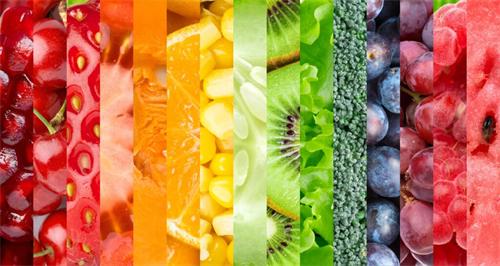
Chronic inflammation and stress significantly affect hormone regulation. Pro-inflammatory diets high in ultra-processed foods, refined sugars, and trans fats can exacerbate insulin resistance, estrogen dominance, and cortisol dysregulation. Stress elevates cortisol, which, when chronically high, interferes with sex hormone production and disrupts menstrual cycles. Anti-inflammatory dietary strategies—incorporating colorful vegetables, fatty fish, nuts, seeds, and antioxidant-rich fruits—can reduce systemic inflammation, support adrenal function, and promote hormonal balance.
Practical Nutrition Strategies for Hormonal Health
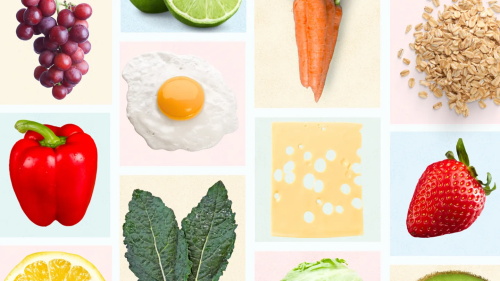
1. Prioritize whole foods: Emphasize vegetables, fruits, whole grains, legumes, nuts, seeds, and minimally processed animal products to provide the full spectrum of macro- and micronutrients.
2. Balance macronutrients: Ensure adequate protein for hormone synthesis, healthy fats for steroid hormone production, and complex carbohydrates to stabilize insulin levels.
3. Support gut health: Include prebiotic and probiotic foods to enhance microbiota diversity, supporting estrogen metabolism and systemic hormone balance.
4. Incorporate phytoestrogens wisely: Moderate soy, flaxseed, and other phytoestrogen-rich foods to support estrogen balance, particularly during menopause or periods of hormonal fluctuation.
5. Manage inflammation: Limit ultra-processed foods, added sugars, and trans fats; focus on anti-inflammatory fats and antioxidant-rich plant foods.
6. Consider micronutrient adequacy: Monitor intake of magnesium, vitamin D, iodine, selenium, zinc, and B vitamins to support endocrine function.
7. Time meals strategically: Eat in alignment with natural circadian rhythms, avoid late-night eating, and maintain consistent meal patterns to support metabolic and hormonal stability.
8. Stay hydrated: Proper hydration supports cellular function, detoxification, and hormone transport.
Conclusion
Hormones are central to women’s health, governing reproduction, metabolism, mood, and long-term disease risk. Nutrition exerts profound influence over hormonal regulation, affecting synthesis, metabolism, receptor sensitivity, and systemic balance. By understanding the interplay between macronutrients, micronutrients, phytoestrogens, fiber, gut microbiota, and lifestyle factors, women can adopt dietary strategies to optimize hormonal health across all life stages. While individual needs vary, a foundation of whole, nutrient-dense foods, balanced macronutrients, and attention to circadian-aligned eating patterns provides a robust approach to supporting hormonal harmony, enhancing well-being, and reducing the risk of hormone-related conditions.
This article is for educational and informational purposes only and does not constitute medical or nutritional advice. Individual health needs and responses may vary. Please consult a qualified healthcare professional before making any significant changes to your diet, supplements, or medical care.
References
1. Messina, M. (2016). Soy and health update: Evaluation of the clinical and epidemiologic literature. Nutrients, 8 (12), 754.
2. Bagga, D., & Cheema, S. (2019). Dietary phytoestrogens and female reproductive health. Journal of Nutritional Biochemistry, 70, 1–12.
3. Gaskins, A. J., & Chavarro, J. E. (2018). Diet and fertility: A review. American Journal of Obstetrics and Gynecology, 218 (4), 379–389.
4. Plante, M., & Gold, D. H. (2017). Gut microbiota and sex hormone metabolism: Implications for women's health. Endocrinology and Metabolism Clinics of North America, 46 (2), 367–384.
5. Vandenberg, L. N., et al. (2017). Hormones and endocrine-disrupting chemicals: Low-dose effects and nonmonotonic dose responses. Endocrine Reviews, 38 (4), 385–520.
Recommended for you