Epigenetics and Diet: Can Food Change Your Genes?

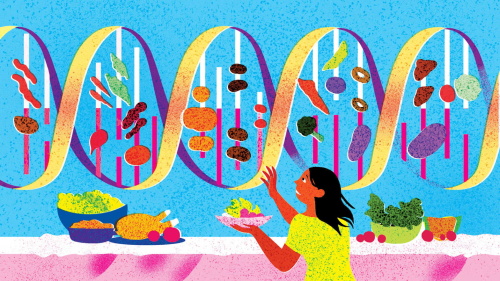
When we talk about “genes,” we often think of immutable DNA sequences that determine traits such as height, skin color, blood type, enzyme activity, drug metabolism, and even aspects of personality. However, recent research in the field of epigenetics has shown that while food cannot change our inherited DNA sequences, it can regulate the “switches” and expression levels of genes, profoundly affecting our health and potentially even influencing future generations.
Epigenetics is a crucial complement to the central dogma of molecular biology, describing how the genome interacts with the environment. Unlike genetic mutations, which directly alter the DNA sequence, epigenetic changes do not modify the underlying genetic code. Instead, they influence how genes are expressed, shaping the observable characteristics—our phenotype—such as body shape, metabolic health, immune function, and certain behaviors. Diet, as one of the most fundamental ways we interact with our environment, plays a central role in these processes.
To illustrate, one can think of the genetic sequence as a musical score written at birth. The notes themselves never change, but epigenetics acts like the conductor of an orchestra, deciding which sections are played loudly (high gene expression), softly (low expression), or muted entirely (gene silencing). In this biological concert, diet is one of the most important tools in the conductor’s hand.
How Does Food Regulate Gene Expression?
Food influences gene activity through three primary molecular mechanisms, all of which occur without altering the DNA sequence itself.
1. DNA Methylation: “Silencing” Genes
The most well-known epigenetic mechanism is DNA methylation, which can be thought of as adding a “mute” tag to specific genes, reducing their expression. Certain key nutrients in food are essential for this process, including folate, vitamin B12, and choline. These nutrients, abundant in leafy green vegetables, whole grains, eggs, and some nuts, provide the chemical building blocks necessary to form methyl groups that regulate DNA activity.
DNA methylation plays a foundational role during embryonic development and cell differentiation and is closely associated with the prevention of chronic diseases. Proper methylation helps regulate metabolism-related genes, lowering the risk of obesity and diabetes, whereas deficiencies in these nutrients can lead to abnormal methylation, inadvertently activating harmful genes.
2. Histone Modifications: Regulating Chromatin Structure
DNA is not free-floating in the nucleus; it is wrapped around proteins called histones to form chromatin. Chemical modifications to histones, such as acetylation or deacetylation, can change the tightness of the DNA wrapping, thereby controlling how easily genes are read. Histone modifications act like a “volume knob,” determining which genes are accessible and which remain silent.
Dietary factors can significantly influence this process. For example, beneficial gut bacteria ferment dietary fiber to produce short-chain fatty acids like butyrate. Butyrate acts as a potent histone deacetylase inhibitor, relaxing chromatin structure and activating genes with anti-inflammatory and anti-cancer properties. This helps explain why a high-fiber diet has broad health benefits, influencing gene expression in ways that promote long-term well-being.
3. Non-Coding RNAs: Fine-Tuning Gene Activity
Beyond DNA methylation and histone modifications, food can also affect gene expression through non-coding RNAs. These RNA molecules do not code for proteins but act as precise “micro-adjusters” that regulate the activity of other genes. Many bioactive compounds in food, including polyphenols, are known to exert their effects via non-coding RNAs, making this an exciting frontier in epigenetic research.
Specific examples include sulforaphane in broccoli, daidzein in soy, and resveratrol in grapes. These compounds are part of what is sometimes called an “epigenetic diet,” capable of modulating gene expression without altering the DNA sequence itself.
Transgenerational Effects: Can Diet Affect Future Generations?
Emerging research suggests that parental diet may influence offspring health through epigenetic mechanisms. Changes in DNA methylation, histone modifications, and small RNAs in sperm or eggs can carry “environmental memory” to the next generation. In other words, our environmental exposures and lifestyle choices may leave marks on reproductive cells that affect children.
A well-known example is the “Dutch Hunger Winter.” Studies showed that children born to mothers who experienced famine during pregnancy had a higher risk of obesity and diabetes in adulthood. These effects were associated with altered methylation of key genes, such as IGF2. Similarly, animal studies have demonstrated that high-fat or high-sugar diets can modify epigenetic markers in parental germ cells, influencing offspring metabolism.
However, human transgenerational effects are complex and ethically challenging to study directly. Most human evidence comes from observational studies, and offspring health is influenced by numerous factors beyond parental diet. While these findings highlight the potential long-term impact of nutrition, there is no need to overemphasize the influence of past dietary habits on future generations.
Can Adults Still Influence Their Genes?
In theory, all epigenetic marks are reversible, meaning that some gene “switches” can be reprogrammed under laboratory conditions. In practice, however, certain epigenetic marks become relatively fixed over time. For instance, research led by Heijmans et al. in 2018 showed that epigenetic marks established during fetal development can persist throughout life, affecting genes involved in carbohydrate and lipid metabolism. This raises the question of whether careful dietary interventions in adulthood can “unlock” these marks—currently, the answer remains uncertain.
Nevertheless, a healthy diet remains highly beneficial. Foods rich in methylation-supporting nutrients—such as cruciferous vegetables, Brazil nuts, turmeric, and kale—can help activate tumor suppressor genes or repress inflammatory genes. Meanwhile, environmental stressors like pollution and chronic stress also affect gene expression, often in ways that are more complex and less controllable than diet alone.
It is important to note that some genetic disorders result from fixed DNA mutations with nearly 100% heritability, and epigenetic interventions cannot reverse these. While scientists hope that epigenetic modulation may one day help overcome deterministic views of genetics, we are still limited by the interplay of genetic, environmental, and lifestyle factors.
Why Epigenetics Matters
Historically, many chronic diseases were thought to be caused by immutable genetic mutations. Today, we understand that most such conditions result from misregulated gene expression rather than changes to the DNA sequence itself. Environmental factors—such as nutrient deficiencies, toxin exposure, and lifestyle choices—leave chemical marks on long DNA molecules, altering their behavior.
From a health perspective, diet represents a powerful lever for modulating gene expression. Proper intake of proteins, minerals, vitamins, and fatty acids can optimize gene activity, and potentially even create favorable conditions for the next generation. Over the course of human evolution, the interplay between diet and gene regulation has been central, underscoring the importance of mindful nutritional choices in shaping health outcomes.

Conclusion
While food cannot change your inherited DNA sequence, it can influence gene expression through epigenetic mechanisms, affecting health, development, and potentially the well-being of future generations. Diet, environment, and lifestyle collectively shape our phenotype and overall health. Through strategic dietary choices, we can modulate gene activity, reduce disease risk, and support a healthier genetic environment for the next generation.
Epigenetics shows that genes are not a predetermined fate; they represent a dynamic system that interacts with environmental cues. Diet is one of the most direct and effective ways to guide this system, allowing us to influence gene expression, support long-term health, and contribute to the epigenetic legacy we pass on.
This article is for educational and informational purposes only and does not constitute medical or nutritional advice. Individual health needs and responses may vary. Please consult a qualified healthcare professional before making any significant changes to your diet, supplements, or medical care.
References
- Bastiaan T. Heijmans, et al. (2018). Persistent epigenetic differences associated with prenatal exposure to famine in humans. Proceedings of the National Academy of Sciences, 115(23), E5240–E5248.
- Feil, R., & Fraga, M. F. (2012). Epigenetics and the environment: Emerging patterns and implications. Nature Reviews Genetics, 13(2), 97–109.
- Milagro, F. I., Mansego, M. L., De Miguel, C., & Martínez, J. A. (2013). Dietary factors, epigenetic modifications and obesity outcomes: Progresses and perspectives. Molecular Aspects of Medicine, 34(4), 782–812.
Recommended for you