The Science Behind Pea, Soy & Mycoprotein Nutrient Profiles
Throughout much of human evolutionary history, animal-derived foods played a central role in survival. In ancient times, once early humans mastered hunting and tool use, meat became a highly valued source of dense energy, protein, and fat. In environments where food was scarce and unpredictable, animal protein offered an efficient way to sustain physical strength, brain development, and reproductive success.
Modern society, however, faces a very different set of challenges. Climate change, rising rates of chronic disease, concerns about animal welfare, and increasing pressure on land and water resources have prompted a global reassessment of what constitutes a healthy and sustainable diet. Against this backdrop, plant-based foods—particularly plant-derived proteins—have moved from the margins of nutrition science to the center of public discussion.
Products such as plant-based milk, meat alternatives, and protein-enriched beverages are no longer niche innovations. They represent a broader shift toward dietary patterns that aim to support both human health and planetary health. Medical and nutritional research consistently shows that plant-based foods tend to be lower in energy density, higher in dietary fiber, and associated with improved metabolic outcomes. Compared with animal protein, plant protein production also generates fewer greenhouse gas emissions and requires significantly less water and land.
Pea Protein: Balanced Amino Acids and Low Allergenicity
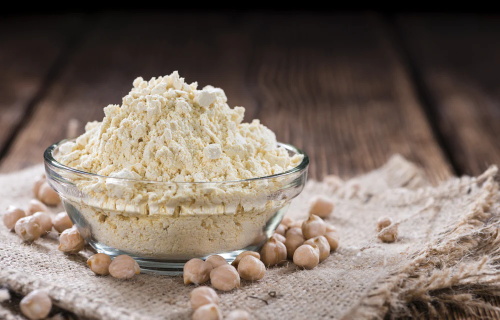
Peas have long been a staple food in many cultures, but their scientific importance has grown substantially with the development of modern protein extraction and modification technologies. Dried peas typically contain 21–28% protein, with a relatively well-balanced amino acid profile. Notably, pea protein is rich in branched-chain amino acids (BCAAs)—leucine, isoleucine, and valine—which play a crucial role in muscle protein synthesis and physical recovery.
From a metabolic perspective, pea protein is naturally low in fat and contains meaningful amounts of dietary fiber. In addition, peas provide bioactive compounds such as saponins, flavonoids, and antioxidant enzymes like superoxide dismutase, which help counter oxidative stress at the cellular level.
One of the most important advantages of pea protein is its relatively low allergenicity. Compared with soy protein, which contains specific protein structures known to trigger allergic responses in some individuals, pea protein is generally better tolerated across diverse populations. This characteristic has contributed significantly to its rapid adoption in global food markets.
From a food science standpoint, raw pea protein has structural limitations, including limited solubility and less desirable texture. To address this, researchers use physical treatments and enzymatic modification techniques to alter the protein’s compact molecular structure. These processes improve emulsification, gel formation, and mouthfeel, allowing pea protein to perform effectively in plant-based meat, dairy alternatives, and protein beverages.
As concerns about soy allergens and phytoestrogens grow among certain consumers, pea protein has emerged as a preferred alternative. It is now widely used in protein shakes, sports drinks, fortified juices, and plant-based milk products. Because of its high digestibility and favorable amino acid distribution—especially its BCAA content—pea protein has become a key ingredient in sports nutrition and muscle health formulations.
Soy Protein: The Classic “Complete” Plant Protein
Soy protein occupies a unique position in nutrition science. It is one of the few plant-derived proteins classified as a “complete protein,” meaning it provides all nine essential amino acids required by the human body. Soybeans are also rich in fat, particularly unsaturated fatty acids, making them a major global source of both plant oil and plant protein.
Importantly, the nutritional profile of soybeans changes throughout their growth cycle. Research shows that during the late seed-filling stage, levels of amino acids and isoflavones peak, while at full maturity, protein and fat accumulation is completed. As a result, soybeans harvested at different stages may offer distinct nutritional and functional benefits.
Soy’s most studied bioactive compounds are isoflavones, often referred to as phytoestrogens. Their scientific significance lies in their behavior as selective estrogen receptor modulators (SERMs). When endogenous estrogen levels are low, soy isoflavones can exert mild estrogen-like effects; when estrogen levels are high, they may competitively inhibit estrogen activity. This dual action helps explain their potential benefits for cardiovascular health, bone density, menopausal symptom management, and prostate health.
Despite these advantages, soy protein is not without controversy. Soy is one of the most common food allergens, and some consumers remain concerned about hormonal effects, despite extensive evidence supporting its safety in moderate consumption. These concerns have further fueled interest in alternative plant protein sources.
Fungal Protein: A High-Efficiency Nutritional Complex from Microorganisms
Fungal protein, derived from edible fungi or microbial biomass, represents a fundamentally different category of protein. During growth, fungi naturally synthesize a complete and highly integrated set of nutrients, including essential amino acids, minerals such as selenium and potassium, B vitamins, vitamin D, and various forms of dietary fiber.
The most cutting-edge scientific value of fungal protein lies in its bioactive components. Fungal immunomodulatory proteins can interact directly with immune cells, influencing immune responses, while certain lectins can recognize specific carbohydrate structures, potentially affecting cellular communication. These properties form the biological basis for ongoing research into fungi’s potential anti-inflammatory, immune-regulating, antioxidant, and anticancer effects.
Nutritionally, fungal protein is typically low in fat, low in saturated fatty acids, and low in sodium, while being rich in fiber—especially beta-glucans, a soluble fiber well known for its benefits to gut health and immune function. Because fungal protein also has low allergenicity and high bioavailability, it is increasingly viewed as a promising ingredient in functional foods and medical nutrition products.
Unlike traditional agriculture, high-purity fungal protein can be produced at scale through liquid deep fermentation in bioreactors. By combining nutritional proteomics with gene-editing technologies, scientists are now able to selectively breed strains with higher protein yield and enhanced bioactivity, enabling efficient, controlled, and environmentally friendly protein production.
Legumes, Gut Health, and Longevity: What Research Reveals
A growing body of evidence suggests that legume-based proteins play a significant role in weight management and metabolic health. The satiety index of legume proteins can reach as high as 170. When combined with dietary fiber, they form gel-like structures in the stomach that delay gastric emptying, prolong feelings of fullness by 2–3 hours, and reduce daily energy intake by approximately 12%.
From a protein quality perspective, legumes other than soy can still meet essential amino acid requirements when consumed in appropriate combinations. According to World Health Organization amino acid scoring patterns, legume–grain combinations can achieve scores of 0.8–0.9, approaching the benchmark value of 1.0 associated with eggs. A 2024 Harvard study further demonstrated that among middle-aged adults, an additional 10 grams of plant protein per day was associated with a 35% higher likelihood of healthy aging—an effect independent of animal protein intake.
In April 2025, researchers from the University of Sydney published a large-scale study in *Nature Communications* analyzing data from 101 countries over nearly 60 years. The findings revealed a striking age-dependent pattern: higher intake of animal protein and fat was associated with improved survival in early life, whereas in later life (around age 60 and beyond), diets richer in plant protein and lower in fat were linked to increased longevity.
Many of the world’s well-known longevity regions—such as Okinawa in Japan, Ikaria in Greece, and Loma Linda in California—share a dietary pattern centered on legumes, whole grains, nuts, and other plant-based proteins.
Legumes are also rich in dietary fiber and oligosaccharides such as stachyose and raffinose, which act as prebiotics that nourish beneficial gut bacteria. Their fermentation produces short-chain fatty acids like butyrate, which has well-established anti-inflammatory effects. Emerging research suggests that polyphenols found in legumes may also help protect mitochondrial function, slowing age-related cellular decline.
Beyond Nutrition: The Ecological Significance of Plant Proteins
In the context of global sustainability, plant proteins offer benefits that extend far beyond human nutrition. Producing one kilogram of legume protein generates roughly one-twentieth the carbon emissions of beef protein and requires only about one-tenth the water resources. The Food and Agriculture Organization of the United Nations predicts that by 2030, legumes could account for 25% of the global protein supply, up from approximately 12% today.
From peas and soybeans to fungal protein, humanity is gradually building a protein system that better aligns with physiological needs, environmental limits, and long-term health goals. This shift is not simply about replacing meat—it represents a fundamental rethinking of how future food systems can support both people and the planet.
This article is for educational and informational purposes only and does not constitute medical or nutritional advice. Individual health needs and responses may vary. Please consult a qualified healthcare professional before making any significant changes to your diet, supplements, or medical care.
References
1. Andrews, C. J., et al. (2025). Associations between national plant-based vs animal-based protein supplies and age-specific mortality in human populations. Nature Communications, 16(1), 3431.
2. World Health Organization & Food and Agriculture Organization of the United Nations. (2007). Protein and amino acid requirements in human nutrition (WHO Technical Report Series No. 935).
3. Messina, M. (2016). Soy and health update: Evaluation of the clinical and epidemiologic literature. Nutrients, 8(12), 754.
Recommended for you