Bone Health Nutrition: More Than Just Calcium

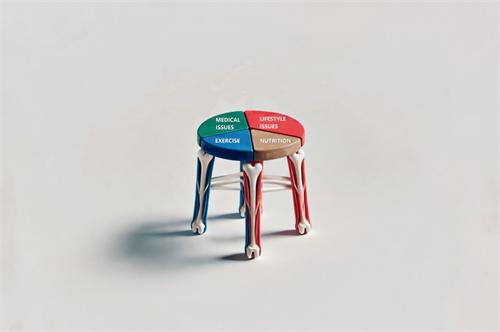
The human skeleton is much more than a passive framework; it functions like the steel beams of a building, supporting our bodies, protecting vital organs, and serving as a reservoir for essential minerals such as calcium and phosphorus. Maintaining strong, healthy bones is a complex process that requires more than just calcium—it involves a coordinated interplay of multiple nutrients, physical activity, and lifestyle habits. Calcium may be the star of the story, but it needs a supporting cast to truly make our bones resilient and robust.
Understanding Bone as a Living Tissue
Contrary to the common misconception that bones are static, the skeleton is a dynamic, living tissue. Every day, bones undergo a process known as bone remodeling, a continuous cycle of breakdown and reconstruction. When the rate of bone resorption exceeds formation, bone density declines, potentially leading to osteoporosis over time. This process starts subtly and quietly, often decades before any clinical symptoms appear.
Bone mass and density change over the course of a lifetime. Childhood and adolescence are critical periods for bone accumulation, with peak bone mass typically reached in early adulthood. After around the age of 35, bone mass gradually declines, making middle age a crucial period for proactive bone protection. Waiting until old age to care about bones is a risky mindset, as osteoporosis often develops silently long before it is diagnosed. According to the World Health Organization (WHO), globally, one person suffers an osteoporotic fracture every three seconds—a staggering reminder that bone health is a public concern, not just a personal one.
Calcium: Only the Beginning
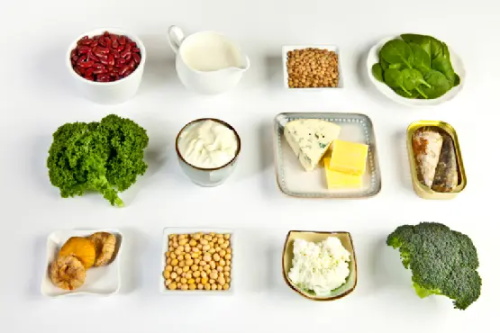
Calcium is undoubtedly essential—it accounts for approximately 65% of bone mineral content, forming the “hard bricks” of the skeletal structure. Adults typically require 800–1,000 mg of calcium daily, with those over 50 needing 1,000–1,200 mg. Calcium can be obtained from dairy products, soy-based foods, and leafy green vegetables. However, calcium alone cannot build a strong skeleton. Without the proper “support team” of nutrients, much of the calcium consumed may not even reach its intended destination: the bone.
The Nutrient Team Behind Strong Bones
To fully support bone health, calcium must work alongside several other nutrients, each with a unique role:
- Vitamin D: Think of it as the “transporter” that moves calcium from the intestine into the bloodstream. Adequate vitamin D levels are critical for calcium absorption and proper calcium-phosphorus metabolism. Daily outdoor activities for 15–20 minutes during non-peak sunlight hours can stimulate natural vitamin D synthesis. Dietary sources include fatty fish, egg yolks, and fortified dairy products.
- Vitamin K2: Serving as a “navigator,” vitamin K2 ensures calcium deposits in the right place—your bones—not your blood vessels or other soft tissues. K2 activates osteocalcin, a protein necessary for bone formation and mineralization. Sources of vitamin K2 include fermented foods like natto, animal liver, and certain dairy products.
- Magnesium and Phosphorus: These minerals are critical “assistants” in bone metabolism. Magnesium participates in mineralization and regulates calcium homeostasis, while phosphorus is a fundamental component of bone mineral salts. Magnesium-rich foods include nuts, whole grains, and leafy greens; phosphorus is abundant in meat, fish, and dairy products.
- Protein (especially collagen): Proteins form the “steel framework” of the skeleton, providing structural support and flexibility. Around 22% of bone composition is protein, making adequate protein intake essential. Research shows that individuals with insufficient protein consumption have 2.1 times higher rates of osteoporosis and experience 40% longer healing times after fractures. Collagen, in particular, acts as the scaffold for mineral deposition, ensuring bones are not just hard, but resilient.
- Isoflavones (from soy): For middle-aged and older women, soy-derived isoflavones, plant compounds with estrogen-like activity, can help regulate bone metabolism and slow bone loss. Foods such as tofu, soy milk, and edamame are excellent sources.
- Glucosamine: Known primarily for joint health, glucosamine (D-glucosamine) supports cartilage synthesis and repair, indirectly benefiting bone and joint integrity. Although research on its direct effects on bone is still evolving, glucosamine helps maintain the physiological function of joints, which in turn reduces bone stress and fracture risk. Natural dietary sources are limited, found in animal cartilage, trachea, and shellfish shells, and supplementation should be guided by clinical evaluation.
Simply put, taking calcium without these co-factors is like delivering bricks to a construction site without workers or scaffolding—the building will never be strong.
Lifestyle Factors: Exercise Is Essential
Bone health follows the principle of “use it or lose it.” Lack of physical activity can lead to a 1–2% annual decline in bone density, whereas regular weight-bearing exercise can increase bone density by 3–5%. Bones require mechanical stress from muscle pull and ground reaction forces to maintain strength.
Muscle mass declines approximately 1–3% per year with aging, leaving bones unprotected and increasing the risk of falls, joint problems, and metabolic disorders. Strengthening muscles gives bones a “reason” to preserve their density, while also stabilizing gait and balance. Importantly, building strength does not mean lifting extremely heavy weights. Progressive, full-body exercises are effective:
- Chair squats: Slowly rising from and sitting back on a chair strengthens the thighs and glutes while improving everyday functional movements.
- Single-leg stands: Holding on to a wall for balance, gradually increasing duration from 10 to 30 seconds, improves ankle stability and central balance control.
- Resistance band rows and side steps: These activate the back extensors and hip abductors, promoting upright posture and mobility.
Exercise should ideally occur every other day, with 2–3 sets of 8–12 repetitions per exercise. When an exercise becomes too easy, gradually increase resistance or sets to continue signaling the body to maintain bone density. Individuals with severe osteoporosis or prior spinal fractures should avoid rapid forward bends, twisting, or heavy lifts, and seek professional guidance for safe strengthening exercises. Maintaining a “long spine” posture and avoiding breath-holding during exercises is critical, and any sudden chest or back pain should prompt medical evaluation.
Endurance activities complement strength training. Brisk walking is accessible and effective—aim for 30–40 minutes per session, with periodic short accelerations or slight inclines. Establishing a weekly rhythm, such as strength training on Mondays and Thursdays and brisk walking on Tuesdays and Saturdays, while maintaining daily step counts of 6,000–7,000, is more effective than sporadic, unstructured activity.
Nutritional and Lifestyle Pitfalls
Certain foods and habits can undermine calcium absorption and bone health:
- Caffeine: Excessive coffee can increase calcium excretion.
- Oxalates and phytates: Found in some plant foods, these compounds can bind calcium into insoluble forms.
- High salt and fat intake, excessive alcohol: These factors reduce calcium absorption and increase bone loss.
- Sugary and carbonated drinks: They may displace nutrient-dense beverages and contribute to calcium loss.
For individuals at risk of calcium deficiency, moderating these dietary elements is essential to maximize calcium utilization.
Key Takeaways
Bone health is a team effort, combining nutrients, physical activity, and lifestyle choices. Calcium is crucial but insufficient on its own. A strategic approach that includes vitamin D, vitamin K2, magnesium, protein, isoflavones, and glucosamine can build bones that are not just hard but resilient and functional. Meanwhile, exercise, particularly strength and weight-bearing activity, ensures that bones retain density and structural integrity as we age.
The skeleton is not merely an internal framework; it is a living, adaptive system. Protecting it proactively from childhood through adulthood is an investment in mobility, independence, and quality of life. The cost of neglect—osteoporosis, fractures, and loss of function—is a heavy price to pay. By nourishing bones with the right nutrients, keeping muscles strong, and moving regularly, we can ensure our skeletal “building” remains sturdy and resilient throughout our lives.
This article is for educational and informational purposes only and does not constitute medical or nutritional advice. Individual health needs and responses may vary. Please consult a qualified healthcare professional before making any significant changes to your diet, supplements, or medical care.
References
1. Weaver, C. M., Gordon, C. M., Janz, K. F., Kalkwarf, H. J., Lappe, J. M., Lewis, R., ... & Zemel, B. S. (2016). The National Osteoporosis Foundation's position statement on peak bone mass development and lifestyle factors: a systematic review and implementation recommendations. Osteoporosis International, 27(4), 1281–1386.
2. Rizzoli, R., Reginster, J. Y., Arnal, J. F., Bautmans, I., Beaudart, C., Bischoff-Ferrari, H., ... & Kanis, J. A. (2014). Quality of life in sarcopenia and frailty. Calcified Tissue International, 93(2), 101–120.
3. Holick, M. F. (2007). Vitamin D deficiency. New England Journal of Medicine, 357(3), 266–281.
4. Kanis, J. A., McCloskey, E. V., Johansson, H., Cooper, C., Rizzoli, R., & Reginster, J. Y. (2013). European guidance for the diagnosis and management of osteoporosis in postmenopausal women. Osteoporosis International, 24(1), 23–57.
Recommended for you