The Iron and B12 Puzzle in Plant-Forward Eating
--When Sustainable Eating Meets Human Nutrition
In recent years, plant-based and plant-forward diets have grown exponentially in popularity across the globe. These dietary patterns emphasize higher consumption of plant foods—such as vegetables, fruits, legumes, whole grains, nuts, and seeds—while minimizing or completely eliminating animal-derived foods. Advocates often highlight their environmental benefits, ethical considerations related to animal welfare, and potential health advantages.
Indeed, a growing body of research suggests that well-balanced plant-based diets are associated with reduced inflammation, improved lipid profiles, enhanced metabolic health, and lower risks of cardiovascular disease, type 2 diabetes, certain cancers, and overall mortality. Their high content of dietary fiber, antioxidants, potassium, magnesium, and folate also supports gut health and immune function.
Yet, alongside these benefits lies a persistent nutritional challenge. Iron and vitamin B12 frequently emerge as the most debated and misunderstood nutrients in predominantly plant-based diets. They are not impossible to obtain—but they require intention, knowledge, and strategic planning. Without these, deficiency risks increase significantly.
This is why iron and vitamin B12 are often described as a “nutritional puzzle” within plant-based eating patterns.
Humans Are Not “Naturally Perfect” Vegans
From an evolutionary perspective, humans are highly adaptable omnivores. Our digestive system is neither specialized for exclusive plant consumption like that of ruminant herbivores, nor optimized for strict carnivory. This adaptability allows humans to thrive on a wide range of dietary patterns—but it also means no single diet is inherently complete without thoughtful composition.
Anthropological evidence suggests that early humans obtained vitamin B12 and heme iron from diverse sources, including occasional meat, eggs, fish, insects, and organ meats. Strictly plant-exclusive diets, as practiced today, are relatively new in evolutionary terms and depend heavily on modern food processing techniques, fermentation knowledge, fortification, and supplementation.
In other words, a fully plant-based diet is not inherently flawed—but it is knowledge-dependent.
Vitamin B12: The “Natural Absentee” in Plant Foods
Vitamin B12, also known as cobalamin, is an essential nutrient required for DNA synthesis, red blood cell formation, neurological function, and cellular metabolism. It plays a central role in maintaining the integrity of the nervous system and supporting rapid cell turnover, particularly in the bone marrow.
When vitamin B12 is deficient, the hematological system is often affected first, leading to megaloblastic anemia. However, neurological damage—such as numbness, cognitive impairment, mood disturbances, and memory decline—can occur earlier and may become irreversible if not addressed promptly.
The fundamental challenge is this: biologically active vitamin B12 is virtually absent from natural plant foods. It is synthesized by microorganisms and accumulates in animal tissues through the food chain. Unless fortified, plant-based foods do not provide reliable B12.
As a result, vegetarians—and especially vegans—are at significantly increased risk of deficiency.
Recent estimates suggest that average daily vitamin B12 intake among omnivores is approximately 7.2 micrograms, while vegans obtain only about 0.4 micrograms from unfortified diets. Several studies indicate that vitamin B12 deficiency prevalence among strict vegans may reach or exceed 50%.
Symptoms of deficiency can include fatigue, depression, muscle weakness, shortness of breath, cognitive decline, orthostatic hypotension, and impaired nerve function. Diagnosis can be challenging because functional deficiency may occur even when serum B12 levels appear borderline normal.
For this reason, vitamin B12 is widely regarded as the one nutrient that must be obtained through fortified foods or supplements in strict plant-based diets.
Common fortified sources include:
- Fortified plant milks (soy, oat, almond)
- Fortified breakfast cereals
- Fortified nutritional yeast
- Fortified plant-based meat alternatives
For example, fortified soy milk often contains 1–2 micrograms of vitamin B12 per 100 ml. Consuming approximately 500 ml per day can meet adult requirements.
Lacto-ovo vegetarians may obtain B12 from eggs, milk, and cheese. One egg combined with 200 ml of milk can provide roughly 50% of the recommended daily intake. When dietary intake remains insufficient, supplementation with cyanocobalamin or methylcobalamin under professional guidance is advised.
Iron: The Mineral That Is Present—But Locked Away
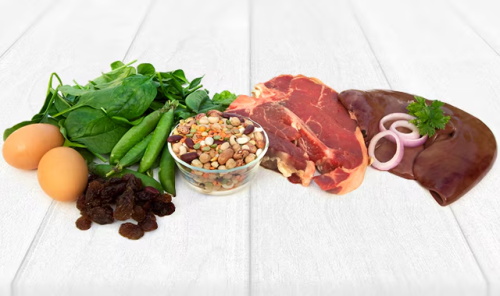
Iron is a fundamental component of hemoglobin, enabling oxygen transport throughout the body. When iron stores are depleted, tissues experience a state akin to chronic mild hypoxia, resulting in fatigue, cold intolerance, reduced concentration, and diminished physical performance.
Unlike vitamin B12, iron is widely present in plant foods. However, plant-derived iron exists exclusively as non-heme iron, which has a significantly lower absorption rate (approximately 2–20%) compared to heme iron from animal sources (15–35%).
Furthermore, plant foods commonly contain absorption inhibitors such as phytates, oxalates, and polyphenols. These compounds bind iron and reduce its bioavailability, increasing the risk of iron deficiency despite adequate intake.
High-quality plant sources of iron include:
- Dark leafy greens (spinach, bok choy, amaranth greens)
- Legumes (lentils, chickpeas, black beans)
- Whole grains (oats, quinoa)
- Nuts and seeds (pumpkin seeds, sesame seeds)
- Iron-fortified foods
Fortunately, absorption can be significantly enhanced through dietary strategies. Consuming iron-rich foods alongside vitamin C–rich fruits and vegetables can increase absorption two- to threefold. Traditional practices such as fermentation (e.g., tempeh, natto) and sprouting reduce phytate content and improve mineral bioavailability.
Conversely, drinking strong tea or coffee with meals should be avoided, as polyphenols inhibit iron absorption.
Traditional Wisdom and Modern Solutions
Many traditional plant-based cultures have long employed dietary techniques that mitigate nutrient limitations. Indian cuisines frequently incorporate fermented legumes and dairy products; East Asian plant-based meals often include fermented soybean products and mineral-rich seaweeds.
Modern food science further expands these solutions. Fortified foods—such as plant milks enriched with vitamin B12, calcium, and vitamin D—and biofortified crops developed through selective breeding are helping bridge nutritional gaps on a population level.
Monitoring and Individual Responsibility
A plant-based diet is neither automatically optimal nor inherently deficient—it depends on planning and monitoring. Beyond iron and vitamin B12, nutrients such as vitamin D, calcium, zinc, and omega-3 fatty acids also warrant attention.
Regular screening is recommended for individuals following long-term plant-based diets, including:
- Complete blood count
- Serum ferritin (iron stores)
- Serum vitamin B12 or homocysteine levels
Pregnant individuals, children, adolescents, and older adults have increased nutrient requirements and should adopt strict plant-based diets only under medical or clinical nutrition supervision.
Balancing Gains and Trade-Offs in Plant-Based Eating
Extensive research supports the health benefits of well-designed plant-based diets. Their richness in fiber, antioxidants, and phytonutrients supports cardiovascular health, metabolic regulation, gut microbiome diversity, and long-term disease prevention.
However, no dietary pattern is without trade-offs. The key distinction lies between unplanned and intentionally structured plant-based diets. The former carries substantial nutritional risks, while the latter can be among the healthiest eating patterns available.
Plant-based eating demands nutritional literacy. It requires understanding not only individual nutrients, but also how absorption, synergy, and preparation methods influence health outcomes. This learning curve is real—but so are the rewards.
In the end, a well-planned plant-based diet is not merely a personal health choice. It is an informed practice that aligns human biology with environmental sustainability, ethical awareness, and long-term well-being.
References
1. Allen, L. H. (2008). Causes of vitamin B12 and folate deficiency. Food and Nutrition Bulletin, 29(2_suppl1), S20–S34.
2. Pawlak, R., Lester, S. E., & Babatunde, T. (2014). The prevalence of cobalamin deficiency among vegetarians assessed by serum vitamin B12: A review of literature. European Journal of Clinical Nutrition, 68(5), 541–548.
3. Stabler, S. P. (2013). Vitamin B12 deficiency. New England Journal of Medicine, 368(2), 149–160.
4. Hunt, J. R. (2003). Bioavailability of iron, zinc, and other trace minerals from vegetarian diets. The American Journal of Clinical Nutrition, 78(3), 633S–639S.
10. Willett, W., Rockström, J., Loken, B., et al. (2019). Food in the Anthropocene: The EAT–Lancet Commission on healthy diets from sustainable food systems. The Lancet, 393(10170), 447–492.
Recommended for you