The Link Between Diet and Alzheimer’s: Latest Findings

As populations age worldwide, the number of individuals living with Alzheimer’s and related dementias continues to grow, creating enormous emotional, social, and economic burdens. Traditionally, Alzheimer’s research focused on genetics and pathology — such as the accumulation of amyloid‑beta plaques and tau tangles in the brain. However, a growing body of scientific evidence now reveals that diet and nutrition may play a significant role in influencing the risk, progression, and onset of Alzheimer’s disease.
Alzheimer’s disease is a progressive neurodegenerative disorder characterized by the gradual loss of memory, reasoning, and cognitive function. On a biological level, the disease involves the accumulation of amyloid‑beta plaques, tau protein tangles, chronic inflammation, oxidative stress, and neuronal death. While age and genetics — particularly the APOE4 gene variant — are well‑established risk factors, evidence now indicates that lifestyle factors such as diet, physical activity, and vascular health significantly influence disease risk.
Dietary Patterns Associated with Alzheimer’s Risk
1. Mediterranean Diet: Consistent Protective Associations
The Mediterranean diet has surfaced as one of the most robust dietary patterns linked to reduced Alzheimer’s risk and slower cognitive decline. This diet emphasizes fruits, vegetables, whole grains, legumes, nuts, olive oil, and fish, while limiting red meat and saturated fats.
Researchers have found that people who closely adhere to a Mediterranean‑style diet show slower cognitive decline and reduced risk for Alzheimer’s disease. In long‑term studies, this protective effect has been documented even among individuals with elevated genetic risk (such as those carrying two copies of the APOE4 variant). Those who followed Mediterranean dietary patterns had not only slower memory loss but also a lower overall risk of developing dementia.
The protective mechanisms aren’t fully understood but likely involve the diet’s anti‑inflammatory and antioxidant components, which may protect neuronal health and reduce harmful protein buildup in the brain. It may also improve cardiovascular health — critical because vascular risk factors like hypertension and diabetes are linked with Alzheimer’s progression.
2. MIND Diet: Targeting Brain‑Specific Foods
The MIND diet (Mediterranean‑DASH Intervention for Neurodegenerative Delay) is a hybrid of the Mediterranean and DASH (Dietary Approaches to Stop Hypertension) diets and was designed specifically to protect cognitive health. It emphasizes leafy greens, berries, nuts, whole grains, fish, and olive oil while limiting red meat, butter, cheese, fried foods, and sweets.
Observational studies suggest that the MIND diet may significantly reduce Alzheimer’s risk. One notable finding showed that strict adherence led to up to a 53% lower risk of developing Alzheimer’s disease, while even moderate adherence showed substantial benefits.
The success of the MIND diet underscores that not all healthy eating patterns are equal when it comes to brain health — emphasizing key brain‑protective nutrients and limiting potentially harmful foods.
3. Other Diet Approaches: Eggs, Dairy, and Emerging Patterns
While Mediterranean‑style and MIND diets dominate the literature, newer research continues to explore specific foods and nutrients.
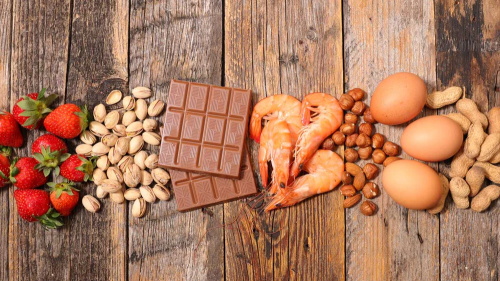
A recent study highlighted in The Journal of Nutrition found a strong association between eating one or more eggs per week and a significantly reduced Alzheimer’s risk — with up to a 47% lower incidence of Alzheimer’s dementia. Researchers believe this is largely due to choline, a nutrient critical for brain structure and neurotransmission.
Surprisingly, another recent observational study suggested that moderate consumption of high‑fat dairy products — such as certain cheeses and cream — could be linked to a modestly lower risk of dementia. Though these findings challenge conventional views and remain controversial, they emphasize that the complex nutrient mix in real foods may influence brain health beyond simple macronutrient classification.

Nutrients That Matter — What Science Reveals
Beyond dietary patterns, specific nutrients and food compounds are attracting attention for their potential roles in Alzheimer’s prevention and brain resilience.
Omega‑3 Fatty Acids
Omega‑3 fatty acids, particularly DHA (docosahexaenoic acid), are abundant in fatty fish (like salmon and sardines) and have been linked to superior cognitive health outcomes. Emerging research suggests individuals with Alzheimer’s — especially women — may have lower levels of omega fats, which could contribute to disease processes involving inflammation and neuronal membrane dysfunction.
Antioxidants and Polyphenols
Fruits, vegetables, and whole grains provide antioxidants and bioactive polyphenols that can reduce oxidative stress and inflammation — two key drivers of neuronal damage in Alzheimer’s disease. Polyphenols in berries, leafy greens, and certain teas may protect neurons and slow cognitive decline, according to metabolic and biomarker evidence.
Choline and B Vitamins
Choline — found in eggs, liver, and certain plant foods — supports the formation of acetylcholine, a neurotransmitter critical for memory and learning. Indicators from cohort studies find that diets rich in choline correlate with less amyloid accumulation. Meanwhile, B vitamins (B6, B12, folate) contribute to homocysteine regulation, which if elevated, may promote neurodegeneration.
Fiber and Gut Microbiome Interactions
Dietary fiber influences the gut microbiome, which, in turn, may affect brain health through the gut‑brain axis. Some research has proposed that microbiome alterations could affect bile acids and metabolic pathways involved in amyloid processing. While this area remains nascent, it illustrates the potential for diet‑induced gut changes to impact Alzheimer’s risk at a systemic level.
Beyond Food: Metabolism, Body Composition, and Dementia Risk
Diet doesn’t act in isolation. The way our bodies metabolize nutrients and how they influence overall physiology are critical components of Alzheimer’s risk.
Visceral Fat and Alzheimer’s
Recent research highlights the role of visceral fat — fat stored around internal organs — in accelerating brain aging and increasing Alzheimer’s risk. Visceral fat produces inflammatory compounds that may adversely affect insulin signaling, vascular health, and neuronal integrity. Reducing visceral fat through diet and lifestyle changes could therefore help mitigate Alzheimer’s risk.
Metabolism and Depression
New studies indicate diet may influence Alzheimer’s risk not only directly but also indirectly by affecting mood and depressive symptoms. Since depression itself has been linked to elevated Alzheimer’s risk, dietary patterns that reduce inflammation and support mental health may confer a double benefit.
Putting It All Together: Practical Guidelines for Brain‑Healthy Eating
While no single food can prevent Alzheimer’s disease, current evidence supports several practical and evidence‑based dietary strategies:
1. Embrace Whole, Plant‑Rich Foods
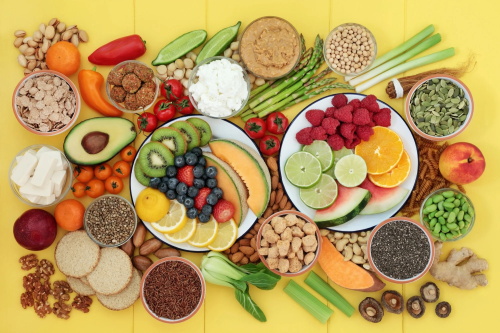
Prioritize fruits, vegetables, whole grains, legumes, nuts, and seeds — all of which provide antioxidants, fiber, and micronutrients crucial for brain health.
2. Opt for Heart‑Healthy Fats
Choose monounsaturated and polyunsaturated fats (e.g., olive oil, fatty fish, nuts) over saturated and trans fats. These fats support blood vessel health, reducing vascular contributions to dementia.
3. Lean Protein and Brain Nutrients
Include lean proteins like fish, poultry, beans, and eggs — sources rich in essential amino acids, choline, and omega‑3s.
4. Limit Processed Foods and Red Meat
Highly processed foods, sugary beverages, and excessive red meat intake are repeatedly associated with increased inflammation and metabolic dysfunction — factors that may contribute to cognitive decline.
5. Consider Dietary Patterns Over Individual Foods
Patterns like the Mediterranean and MIND diets emphasize consistent overall quality and diversity of nutrients rather than isolated supplements or “magic bullet” foods.
Conclusion: Diet as a Modifiable Risk Factor in Alzheimer’s Disease
Alzheimer’s disease is a complex condition shaped by genetics, age, environment, and lifestyle. Diet — as one of the most accessible lifestyle factors — emerges as a powerful influencer of brain health. From anti‑inflammatory foods and heart‑healthy diets to brain‑boosting nutrients and metabolic regulation, the evidence increasingly suggests that what we eat matters for cognitive longevity.
While ongoing research including randomized controlled trials is still needed to definitively prove causation, existing observational studies, systematic reviews, and metabolic evidence point toward meaningful relationships between diet and Alzheimer’s risk. Adopting a healthful dietary pattern isn’t guaranteed to prevent disease, but it can form part of a comprehensive strategy for promoting brain resilience, supporting cardiovascular health, and potentially delaying or reducing Alzheimer’s onset.
This article is for educational and informational purposes only and does not constitute medical or nutritional advice. Individual health needs and responses may vary. Please consult a qualified healthcare professional before making any significant changes to your diet, supplements, or medical care.
References
1. Mosconi, L. et al. (2018). Mediterranean diet may protect against Alzheimer’s disease. Weill Cornell Medicine.
2. Harvard Health Publishing. (2025). Mediterranean diet may lower risk of Alzheimer’s disease. Harvard Health.
3. Mosconi, L. (2020). Brain Food: The Surprising Science of Eating for Cognitive Power. Avery.
4. Verywell Health. (2025). Eating one egg per week may lower Alzheimer’s risk.
5. The Guardian. (2025). Women with Alzheimer’s have unusually low omega fatty acid levels, study finds.
Recommended for you